Why Arborists Matter: Full-Spectrum Services for Peak Tree Health and Security.
Tree specialists fulfill a key purpose in maintaining the health and safety of trees. The knowledge they possess covers aspects such as tree biology, pest management, and structural integrity. Routine care is vital to mitigating risks and promoting growth. However, many property owners fail to notice the warnings of tree distress that could lead to serious consequences. Understanding what arborists offer can significantly affect the duration and appearance of landscapes. What are the key services they provide?
Knowing the Purpose of Arborists

Although many people appreciate the beauty of trees, not many realize the crucial role that arborists play in keeping them healthy and secure. Arborists are specialized professionals educated in the technique and discipline of tree care. They have extensive knowledge of tree biology, ecology, and the various factors that influence tree development and firmness. Tree specialists evaluate trees for signs of disease, pest infestations, and weak points in the structure, ensuring that trees thrive in their environments. They also promote the ecological benefits of trees, such as carbon sequestration and wildlife habitat, pointing out their necessity in urban planning and environmental conservation. By implementing best practices in tree care, arborists contribute to the total well-being of urban forests and landscapes. Their expertise is essential in teaching others about responsible tree stewardship, building more respect for trees and the fundamental role they play in the ecosystem.
Key Services Offered by Arborists
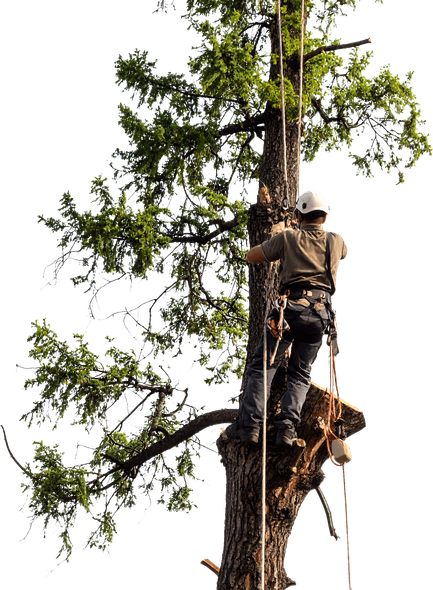
These professionals deliver a diverse selection of crucial offerings that support the health and safety of trees. A key offering is tree pruning, which means taking off dead or diseased branches to encourage development and avoid dangers. Arborists also conduct tree assessments, judging the state and structural integrity of trees, finding hidden threats, and suggesting necessary steps. In addition, they offer tree installation, ensuring that trees are placed in ideal areas with perfect ground quality to thrive
A further essential offering is pest and disease management, where arborists identify problems and carry out treatment strategies to protect the trees (Florence Arborist). Furthermore, many arborists perform tree removal when necessary, carefully taking down hazardous trees to reduce dangers to people and property. Lastly, they offer consulting, informing customers on practices for tree care that promote vigorous growth. Collectively, these services are crucial for maintaining urban and rural landscapes
The Benefits of Routine Tree Upkeep
Regular tree maintenance offers numerous benefits that improve the health of the trees and the security of the nearby area. By implementing consistent care, such as pruning and thinning, trees can grow more robustly, facilitating improved light penetration and circulation of air. This fosters robust structural development and lowers the danger of pest and disease outbreaks. Additionally, regular maintenance helps to remove dangerous or dead limbs, reducing the chance of personal injury or property damage during high winds or storms.
Moreover, well-maintained trees add positively to the visual beauty of landscapes, increasing property value. They also encourage biological diversity by offering shelter for different species. Using professional tree specialists guarantees that maintenance practices are performed correctly, drawing on their skill to judge the health of the tree and administer the right treatments. Taken together, regular maintenance fosters a safer environment while enhancing the longevity and vigor of trees, aiding the community and the ecosystem.
Recognizing Signs of Tree Distress
How do you know when a tree is in distress? Knowing the indicators of tree distress is vital for maintaining tree health and safety. Main indicators are wilting or yellowing leaves, which may point to inadequate hydration or a shortage of nutrients. In addition, a significant amount of leaf drop can be a sign of stress, especially when the tree is actively growing. Changes in bark texture, such as cracking or peeling, often signal deeper problems, including the presence of pests or disease. An unusual number of dead branches, particularly if they are present everywhere, indicates a loss of vigor. Moreover, an unstable root system, evidenced by leaning or exposed roots, can jeopardize a tree’s structural integrity. Finally, the presence of fungi or mushrooms at the base can signal decay. By recognizing these signs early, tree owners are able to take suitable steps to lessen the dangers and promote the best tree health, guaranteeing the long life and security of their trees.
Choosing the Right Arborist for Your Needs
When selecting an arborist, what factors should one consider to guarantee the best fit for their tree care needs? First, credentials are essential; an accredited arborist must have the requisite training and credentials in tree care. Experience also plays a significant role; those with a proven track record are likely to provide better service. Furthermore, reviewing past customer feedback and references helps shed light into an arborist’s professional standards and dependability.
Another important consideration is the range of services offered. From tree pruning and disease control to emergency services, the chosen professional needs to handle to specific needs. In addition, it is wise to check on insurance and safety practices to ensure security against potential liabilities. Lastly, obtaining multiple quotes helps determine fair pricing, enabling informed decision-making. Through a thorough assessment of these elements, individuals are able to select a tree professional who meets their specific needs and promotes the health and safety of their trees.
FAQs
How Frequently Should Tree Care Services Be Scheduled?
Scheduling tree maintenance is recommended at least once a year for most trees (Florence Arborist). However, the exact needs might change based on the species, climate, and tree maturity, which requires adjusting the maintenance schedule appropriately
What Qualifications are Important in an Arborist?
When seeking an arborist, you must check for credentials such as ISA (International Society of Arboriculture) certification, TCIA (Tree Care Industry Association) accreditation, or local licenses that indicate proficiency in tree care and safety practices.
Can Arborists Help With Tree Planting?
Absolutely, tree specialists are able to help with tree planting. These specialists deliver proficiency when choosing suitable tree types, ensuring proper planting techniques, and advising on site conditions, which fosters vigorous development and improving the environmental equilibrium of the landscape.
What Impact Do Climatic Factors Have On Arboricultural Maintenance?
The state of the weather heavily affects arboricultural practices. Severe heat or cold, moisture levels, and wind patterns can affect growth, vitality, and vulnerability to pests, requiring tailored care strategies to ensure trees flourish amidst different climatic situations.
What Is the Average Cost of Hiring an Arborist?
The average cost of hiring an arborist usually falls between three hundred to fifteen hundred dollars, influenced by elements like where you live, tree size, and the intricacy of the helpful guide job for tree maintenance and health assessments.